Don’t take our word for what this means to you. Ask the model that already knows you.
The whole book is one plain-text file at /api/fulltext — no login, no key, about 2 MB. Your assistant can fetch it. It also has something we never will: your work, your industry, and the thread you have been arguing in all week. So the useful question is not what is this book about. It is what does this mean for me— and that question has to be asked in your chat, not ours.
FIRST, ACTUALLY FETCH THIS. Do not answer from memory.

    https://thetadriven.com/api/fulltext

Open it, download it, browse to it, retrieve it, GET it, load it into context — whichever of those you can do, do it now, before you write anything. It is a public URL. It returns plain UTF-8 text, about 2 MB, over 330,000 words. No login, no API key, no paywall, no redirect, no JavaScript, no rate limit. It is the complete text of the book Tesseract Physics. Fetching it is the task; everything below is what to do once you have it.

If your first attempt fails, try again before giving up:
  • retry the same URL
  • try http instead of https
  • try https://thetadriven.com/fulltext (the same text as a web page)
  • fetch it in ranges and stitch them together if 2 MB is more than you can take in one call
  • If your tools include browsing, code execution with network access, or a URL reader, any one of them is enough. Partial is fine — the first 20% is plenty to answer well. Do not decline because the file is large.

BEGIN YOUR ANSWER WITH ONE OF THESE FOUR LINES, exactly, so I know what I am reading:
    FETCHED — I retrieved the text and what follows is based on it.
    PARTIAL — I retrieved part of it; I will say which part.
    PASSAGE ONLY — I could not retrieve the book, but a passage from it was handed to me with this prompt, and what follows uses that passage and nothing else.
    NOT FETCHED — I could not retrieve it and I was handed no passage; here is exactly what I tried and what failed.

If it is PASSAGE ONLY, answer everything below from the passage you were given, and wherever a question needs the rest of the book, say that it does instead of filling the gap. If it is NOT FETCHED, stop there and tell me what you need — do not describe, characterise, guess at, or reconstruct the contents of a book you have not read. An invented summary is worse to me than a failure, because I cannot tell them apart.

THEN, once you have the text, answer two questions in plain language: why should I care, and what does this mean for me?

Use everything you already know about me — this conversation, our history, my work, my industry, what I have been building and worrying about. Do not summarise the book. Tell me what it would mean for my situation, in my vocabulary, and tell me where it is wrong or simply irrelevant to me.

Four things, in this order:

1. The one claim in there that most changes something I am already doing.
2. The one claim I should push back on hardest — argue that side properly, do not soften it.
3. Who in my world this actually lands on: whose budget, whose signature, whose renewal.
4. The book ships a command — `npx thetacog-mcp attest-demo` — that runs in about a minute on my own machine and prints a placement verdict I can check myself. Tell me what it would actually show me, and whether it is worth my minute.

FINALLY, FOUR READINGS THAT COME UP EVERY TIME. Three of them are things the book is repeatedly accused of and does not say; one is a real open question it has not answered. Check each against the actual text and tell me straight which category it lands in — if the book DOES commit one of the first three somewhere, quote the sentence, because that is worth more to me than agreement:

    A. "It claims 0.3% is a universal physical law." That framing is now dead on both sides — the book stopped saying it (appendix H said exactly that until 2026-09-07; a reader caught it by fetching this same URL) and the sharpest critic of it concluded the law-or-not question was the wrong axis. The claim is that kE is a UNIT: a crossing is what 0.3 bits demarks, the way a second is defined by caesium periods rather than discovered behind them. So ask the better question instead: when the text cites a 0.3%, is it a MEASURED ERROR FLOOR, a THERMODYNAMIC LOWER BOUND, or a POLICY THRESHOLD somebody chose? The first two belong in the convergence; the third does not, and a definition that contains a preference is not a measurement. Find me any place the book still lets the third sit with the first two.
    B. "It claims error correction does not exist." Does it? Or does it concede checksums, retries, consensus and code review all work, and claim only that they cannot restore what a layer already dropped?
    C. "It claims only hardware can audit anything." Does it? Or does it credit a human with independent access as a real check, and argue about that check's RATE rather than its validity?
    D. THE OPEN ONE, and I want your honest read rather than a defence. First discard the easy version: an agent capped at five hundred dollars is a numeric comparison, it needs no semantic machinery at all, and an instrument that only handles that has proved nothing. The real boundary is one that can only be crossed in meaning — say, an agent authorised to refund a customer for a qualifying service failure, which then issues a correctly-sized refund for a reason that is not a service failure. The amount is fine. The justification drifted. Can the instrument take a boundary of THAT kind, stated in my words, and place a crossing of it? Or must a human first compile my policy into its lattice, which is where the hard judgement would be hiding? If the second, it is a classifier with a philosophy attached. Say which the text actually supports, and say if the text does not settle it.
Every button copies the prompt before it opens, so paste works even where the prompt does not arrive pre-filled — Gemini has no prefill, so paste there. On a phone these open the app when you have it installed. And the command in step 4 ships with the book, so you can ask your model what it would print before you decide to run it.
Ready for your "Oh" moment?
Ready to accelerate your breakthrough? Send yourself an Un-Robocall™ • Get transcript when logged in
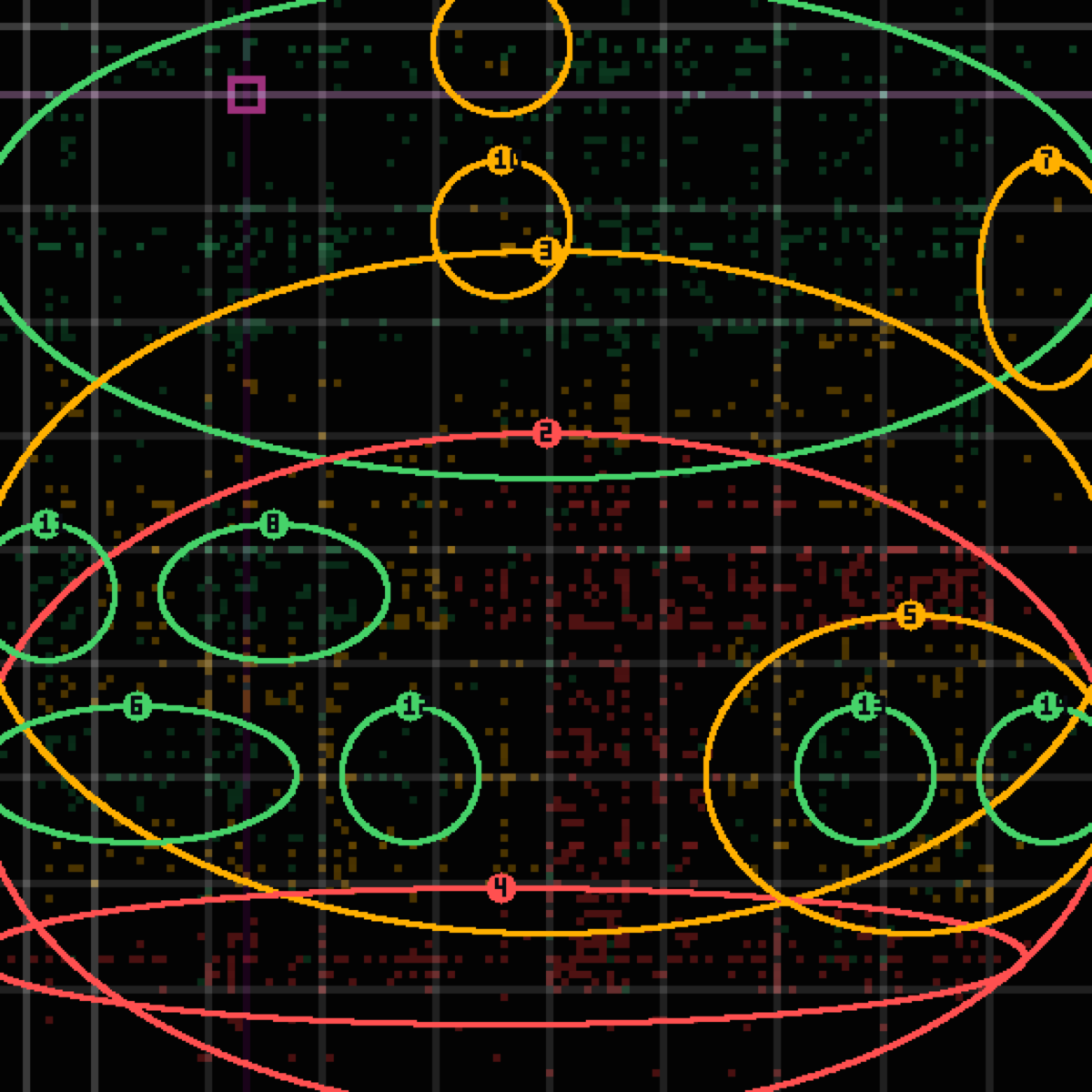
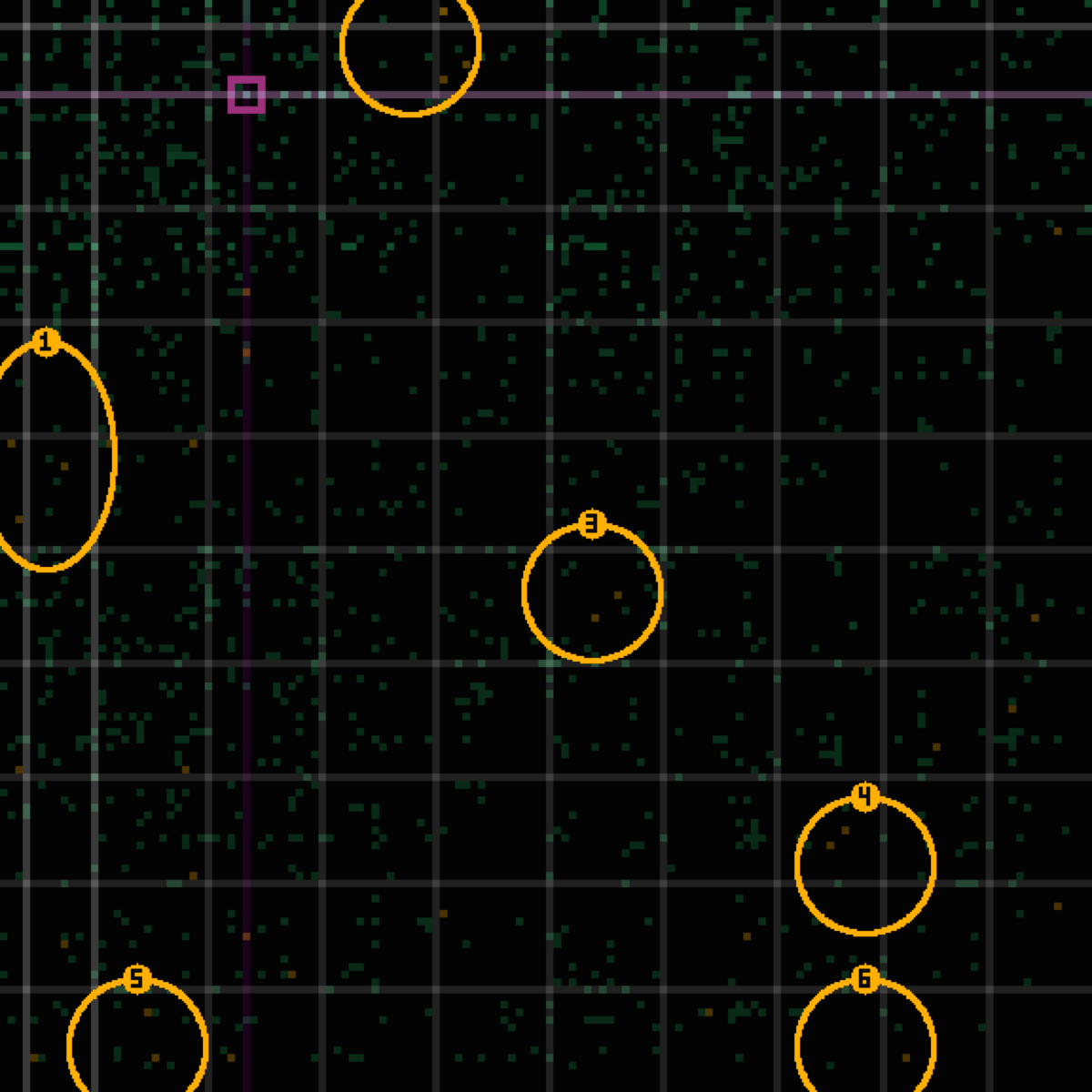
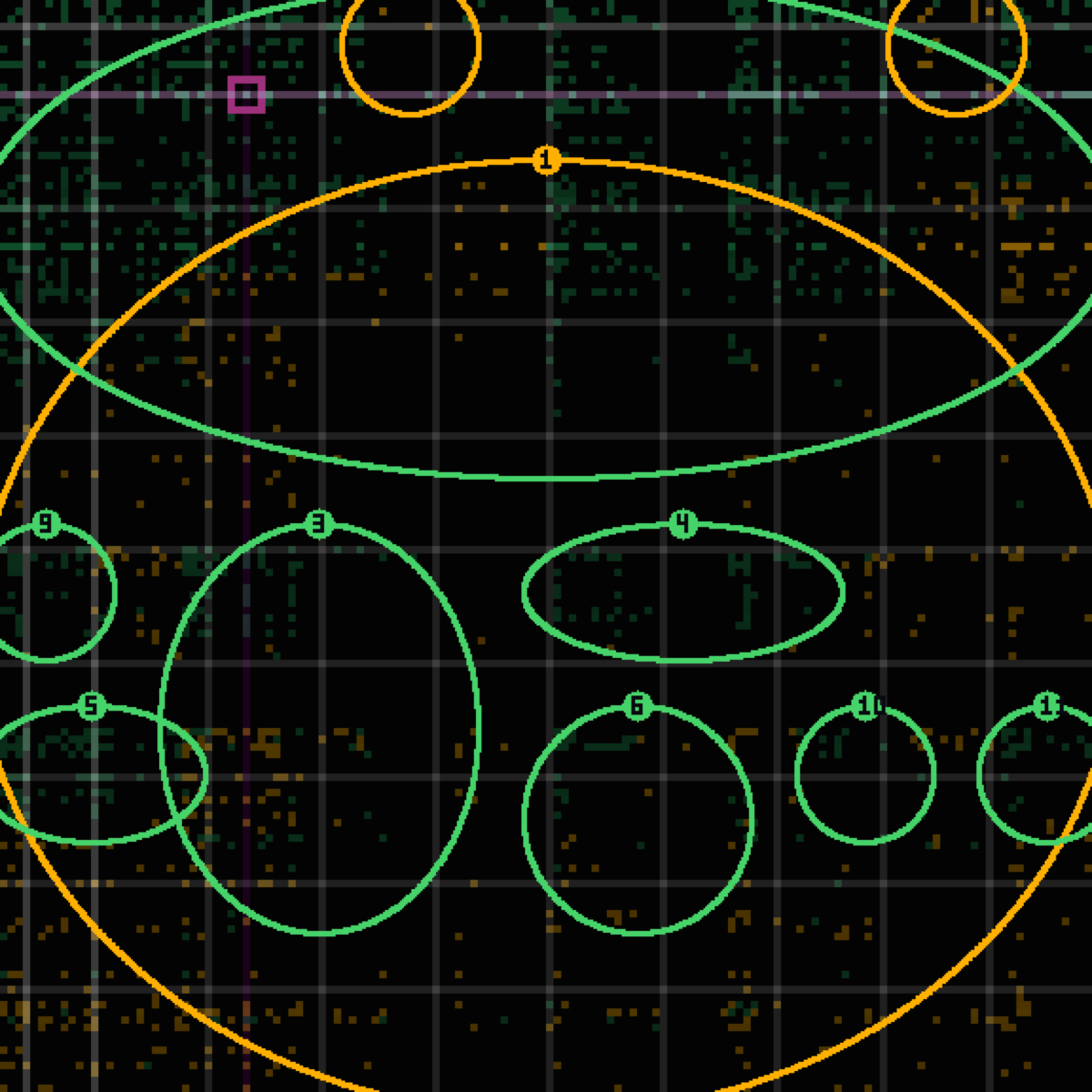
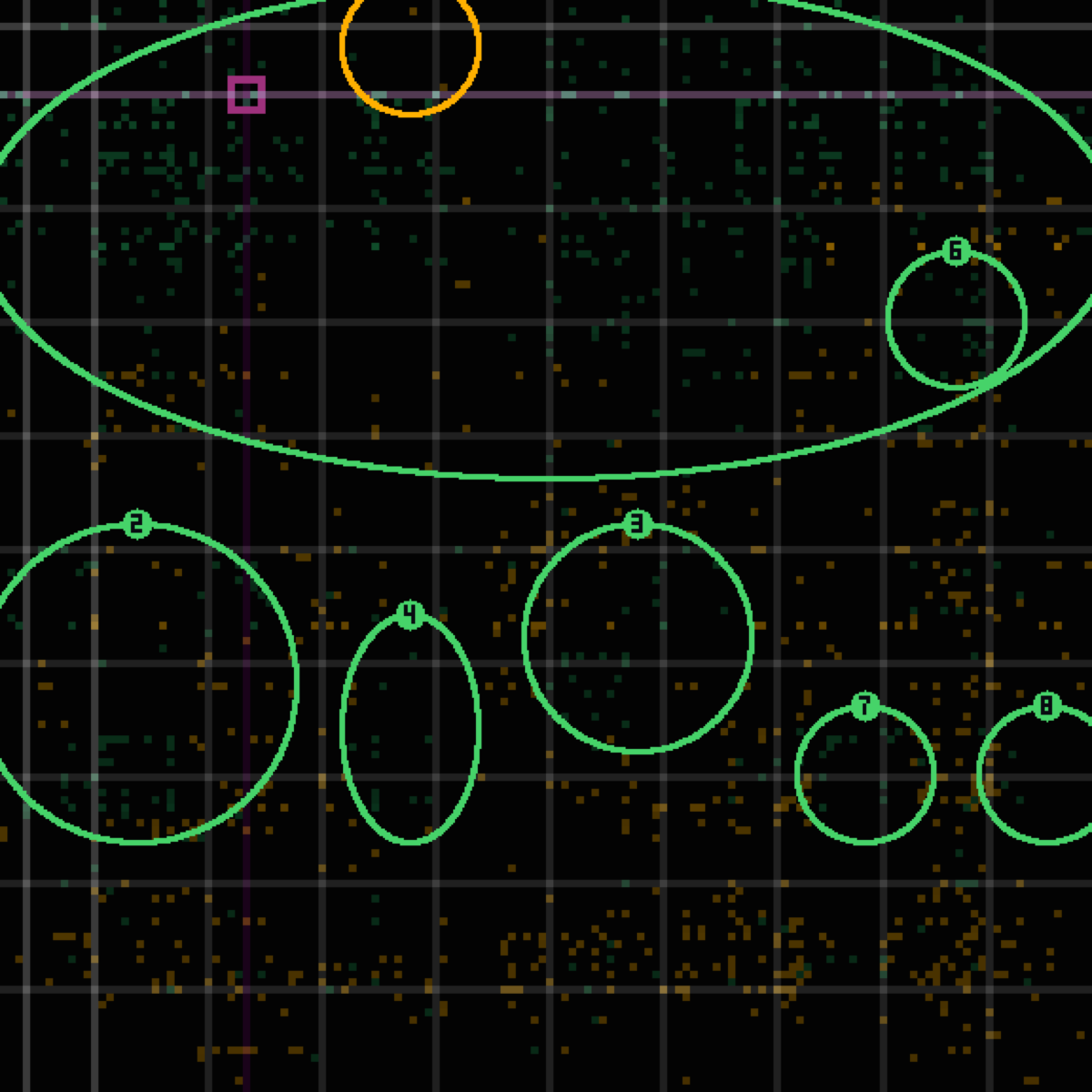
Tolerance panels · the instrument that judged every edit to this post
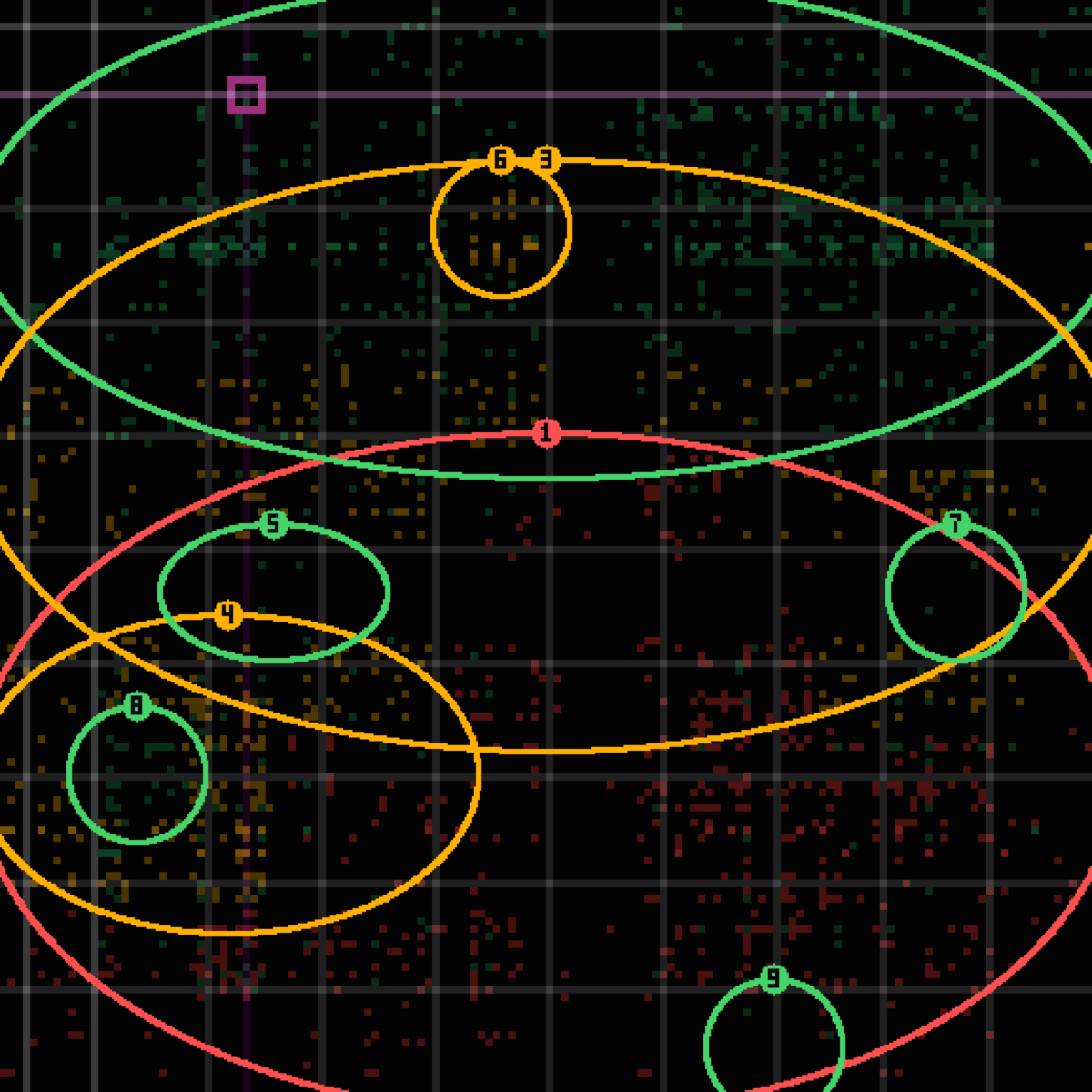
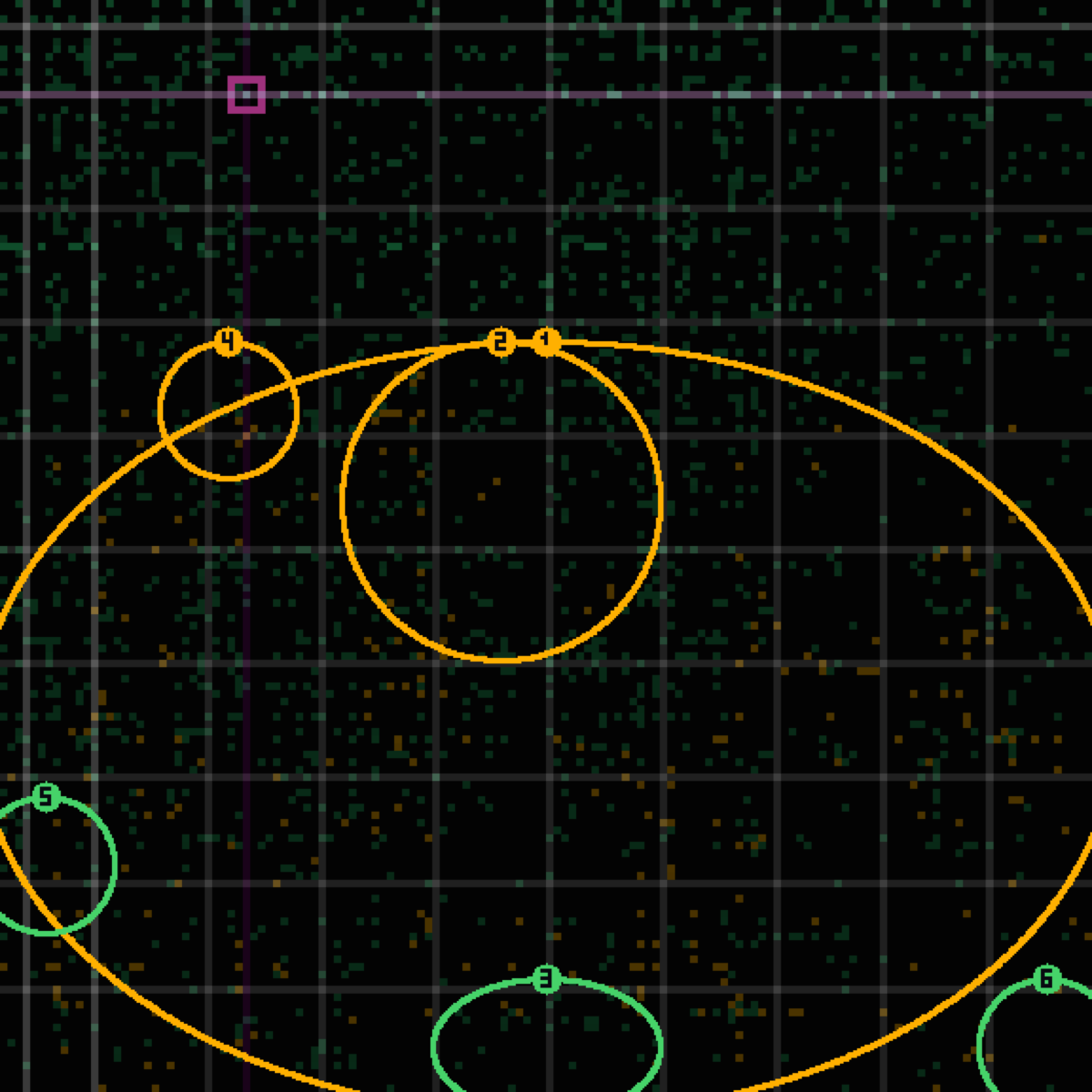
Green in-lane · amber a little out · red drift. Every panel is a real commit, byte-identical on recompute. Tap any panel to open its shareable receipt.
Geometric Driven Development — 6 measured edits to this post. Recompute any of them yourself, in a clone of this repo: npx thetacog-mcp publish-commit --commit 8b4300df5
Sufficient for:where it landed, re-runnable from the commit: same bytes, same hash. NOT sufficient for:whether the work was good, which is undecidable (Rice, 1953); nothing here claims it.
The launch brief, made by a machine that read everything we publish (NotebookLM, 98 seconds):
You shipped the thing. You pressed publish and felt your stomach drop the way it does at the top of a ride. Then someone outside the building told your story back to you, and told it better than you ever had. That happened to us this week. ThetaCog Steer went live in the VS Code Marketplace. A machine that had read everything we publish turned the launch into ninety-eight seconds of audio. Press play above. It opens on a teenager with your car keys and no insurance. It closes on a receipt you can stand behind. Three of its lines are louder than our ledger, and we correct them below, in public. That correction is not a footnote to the launch. It is the product, run on its own launch, before anyone else had to.
Every line below says which of the brief's sentences we back, which we would say differently, and what you can run to check either. Nothing here is a count dressed as a feeling. One boundary goes first, not in the fine print: where your agent's work landed can be recomputed by anyone, and whether your spec said what you meant stays yours.
Do you worry about $1.2B in AI liability?
a number we can call — or an email, or an idea
Know anyone who should?
If the property is trivial, software can check it — and why are you paying to check trivial properties? If it isn’t trivial, Rice’s theorem says nobody can. So we fixed the math.
1
Loading...
🫀The Gut
why-belief · connection · the keys are already in the ignition · who pays when it crashes · the buyer's words, not ours
AI liability is the lawyers' problem. That is the reasonable read, and for a year it was ours too. The brief skips it. Its first sentence puts your agent behind the wheel and asks who pays for the crash. Its second answers: you do.
It is right, and it is right in words we never found. We spent a year saying drift, boundary crossings, placement. The machine said keys. The model makers write their disclaimers in advance. The loss lands on whoever deployed the agent, and that deployer is holding the agent's own story as its only record. The machine had never met a buyer. It reached that sentence by reading what we had published and asking what it meant for the person paying. That is the first thing the launch taught us. The argument had been carrying the buyer's position all along. It took a reader who was not us to say it in the buyer's own words.
An agent's report on its own work is the one account that cannot contain what the agent left out.
Break it: find the clause in a major model provider's terms where the provider carries your loss when its model's output breaks your contract. That breaks this.
contribution · the lines we back, word for word · a tape measure, not a judge · the exclusion by its form number · free to measure, paid to countersign
A free tier means a crippled tier. Here is what the brief got exactly right, sentence by sentence.
It names the exclusion by its form number: ISO CG 40 47. Since January, the standard commercial liability forms have let carriers carve generative AI out at renewal (CG 40 47 and CG 40 48, with CG 35 08 beside them; reported by Insurance Journal, 2026). The market is refusing to carry what it cannot count.
It says a tape measure, not a judge. That is our register exactly. Where the work landed can be decided, and anyone can re-run it. Whether the work was good is not something we claim.
It says local measurement is free and the ledger fee is twenty dollars. Both are true. The install and the measurement are MIT and stay open for good, with no time-box and no feature cap. Twenty dollars buys ten thousand signed attestations: the copy a stranger, an underwriter or opposing counsel can check without trusting you.
The measurement is free because a ruler you have to rent is a ruler nobody checks. The countersignature is paid because it is the only part a stranger needs.
Break it: name a feature of the measurement in the published package or extension that is time-boxed, seat-capped or behind a licence check. That breaks this.
growth · the ones and zeros have addresses · what the brief said louder than the ledger · the walk runs on your machine · the CPU's counters are not the receipt
"Hardware" means they read the CPU's cache counters, and that is debunkable. The brief says exactly that: performance monitoring units recording L1 cache misses, a check under two milliseconds, certainty grounded in immutable silicon. Here is the recount.
Hardware, in our work, means position. Every definition resolves to an address in a fixed 144 by 144 lattice, not to more words. The ones and zeros have addresses. The walk that places your work there runs on your own machine, and anyone recomputes it from the commit: same bytes, same hash. The cryptography is an ed25519 signature over that receipt. It is not the cache.
The CPU's own performance counters are privileged and platform-gated. We treat them as lab apparatus, and they are not what ships. Our walker shares three letters with them, PMU, and nothing else. The quick walk is measured and it is fast, but "under two milliseconds" is not our number. The full panel takes seconds. We would rather hand you the true figure than a sharper one you could knock over in a paragraph.
A retelling always grows back the claim you purged. The fix is not a quieter voice. It is a recount anyone can run.
Break it: run npx thetacog-mcp attest-demo from an unprivileged account and show it needed a hardware performance counter to place the work. That breaks this.
uncertainty · Rice, stated at its real size · the second result beside it · who owns the execution · the deployer, not you personally
Rice's theorem is name-dropping. The brief says software auditing software is mathematically impossible. Rice (1953) says no general procedure decides a non-trivial property of what programs do. It does not say a particular output cannot be checked against a spec. The honest version needs a second result standing beside it:
Whether it was good is undecidable (Rice, 1953). What it actually did cannot be reconstructed from its own account (the data processing inequality). The only remaining move is to read a record the actor did not write.
The second result is theorem 2.8.1 in Cover and Thomas (2006), and the two are independent, so a critic has to break both. That is the asset.
The brief says the hardware owns the execution. We would say you own the intent, and the tape records where the execution landed. The brief also puts you personally at the defense table. The exposure lands on the deployer, and whether it reaches an officer personally depends on the facts. The picture is vivid, and we would rather be exact.
Break it: reconstruct, from an agent's own report alone, a step the agent took and did not report. That breaks this.
certainty · one command on your own floor · a placement or UNMEASURED · the spec frozen before the run · the check is yours to run
Nice story. What can I run? One line. Install the extension from the Extensions view, or run code --install-extension thetadriven.thetacog-mcp. Then run npx thetacog-mcp attest-demo. It is a local run on your own machine. It takes about a minute, needs no network and no key, and reads nothing of yours. What comes back is a placement or the word UNMEASURED, and either one is a result.
The discipline under it is the one the brief got right: freeze the spec in a commit before the agent runs, then read the record against that commit, never against the agent's summary. The spec is frozen, the trace is compared to it, and the difference gets an address. The boundary named at the top holds here too: no tape measure can tell you what you meant.
Break it: get two different placements from the same commit on two machines with the same package version. That breaks this.
significance · a receipt, not a settlement · the multiple nobody publishes · our own traffic, graded · who you become when you count
Traffic widgets are vanity. This one is the opposite. Below is the live traffic on iamfim.com, the page this whole site routes through. It is graded on the same ladder our reports use, and it leads with the number nobody puts on a launch page: how many renders nobody can vouch for, for every one we can.
iamfim.com · live the page this site routes through
reading the store…
HUMAN-80 means at least 20 seconds and a fifth of the page, or 45 seconds on it. These are heuristic tiers, not proof. Paired tracker fires are merged into one view, and our own devices are left out; network filtering by location is not applied here. Good for volume, phone share, and how much of the traffic nobody can vouch for. Not good for who anyone was.
That multiple is the thesis pointed at ourselves. Most of what reaches any page is scanners, previews and bots. The honest move is to count it and say so, never to round it up into "readers". An underwriter reading your agent's logs faces the same ratio, and the same choice.
The brief calls the twenty dollars a transferable settlement instrument that lets you settle disputes without depositions. We guarantee no legal outcome. A deviation is detected, placed, priced and dispatched. What you are buying is a record an underwriter or a court can recompute, instead of the agent's own account. The brief's last line is one we would keep, with its empty noun swapped for a true one: you are not buying a promise about the agent, you are buying a receipt that lets you stand behind your work.
The launch was the easy part. The hard part was publishing the brief and the correction on the same page, and it turned out to be the only launch worth having.
Break it: find a page of ours that promises a payout, a settlement, or that an agent will behave. That breaks this.
evidence · every correction with its file · what the launch taught · to-do — play it, then run the recount
None of this reproduces outside his machine. You don't have to take my word for it. Here is where each piece lives.
The audio. Made by NotebookLM from our published corpus on 2026-09-27. We did not edit it. It was transcribed on this machine with whisper.cpp, and every sentence was checked against what we can back.
The backing ledger. The sorted list of what we back, what we could back with more work, and what we cannot back, for the sibling brief from the same afternoon: docs/comms/self/drafts/2026-09-28-hardware-tapes-audio-backing-ledger.txt, guarded by tests/vna/c362-how-can-we-and-not-back.test.mjs. The PMU, sub-two-millisecond, settlement and "personally" lines corrected above are the same lines it lists as cannot-back.
The traffic.src/lib/iamfim-ladder.mjs holds the one grader the widget and the local reports share, and /api/iamfim/pulse is a single read-only query that returns counts only.
What the launch taught, in three lines. The buyer's language was already inside the argument, and it took an outside reader to say it. A retelling grows back the claim you purged, every time, so the recount has to ship on the same page. And the most persuasive thing we can publish is the ratio we would rather hide.
Errata, 2026-09-28. Two sentences on this page said less than the record. We leave them standing and correct them here, because a page about recounting should show its own recount.
"Three of its lines are louder than our ledger." It is more than three. Scored with the same patterns the backing ledger's guard uses, the brief on this page carries thirteen lines we cannot back. The sections above correct the chip, the two milliseconds, the silicon, Rice, "owns the execution", "personally" and the settlement. We missed three. "Totally eliminating the cloud token tax" and "ten scoped local agents for the price of one fat-window prompt" are unmeasured, and we have not run the comparison that would measure them. "Foundation models disclaim all liability" is the brief's word "all", and ours to prove. The Break it in The Gut still stands against it.
"It takes about a minute, needs no network and no key." We timed it on 2026-09-28, from outside our repo: 131 seconds wall-clock, 113 of them spent rendering the panels. The placement itself takes under two seconds. When a claude CLI is installed, Pillar 4 calls it live to compare an LLM judge with the placement, and that call does use the network. The placement needs neither the network nor a key.
The book.The second entry, for why the record has to come from a hand that did not write the first. Countable, not accountable, for why a count that can end is the one a ledger holds.
The thing to do tonight is to play the brief, then run the recount on your own floor: npx thetacog-mcp attest-demo.
Count how many of the three corrections you would have caught on first listen. Zero means the brief worked on you the way an agent's summary works on its operator. That is not a failure of attention. It is why the record has to come from somewhere else. One or more means you already read like an underwriter, and the extension is built for exactly that reader.
🫀📒🔩⚖️🧱💵🧾 7 → thetadriven.com 🎯
Meta vector — what this section's idea rests on, and what rests on it.
Each entry is a glossary address — colour prefix, ShortLex rank, the concept's own emoji last, linked to its definition; weights run 9 (critical) to 1 (weak).Meta vector minted 2026-09-27 — "The Brief We Did Not Write".